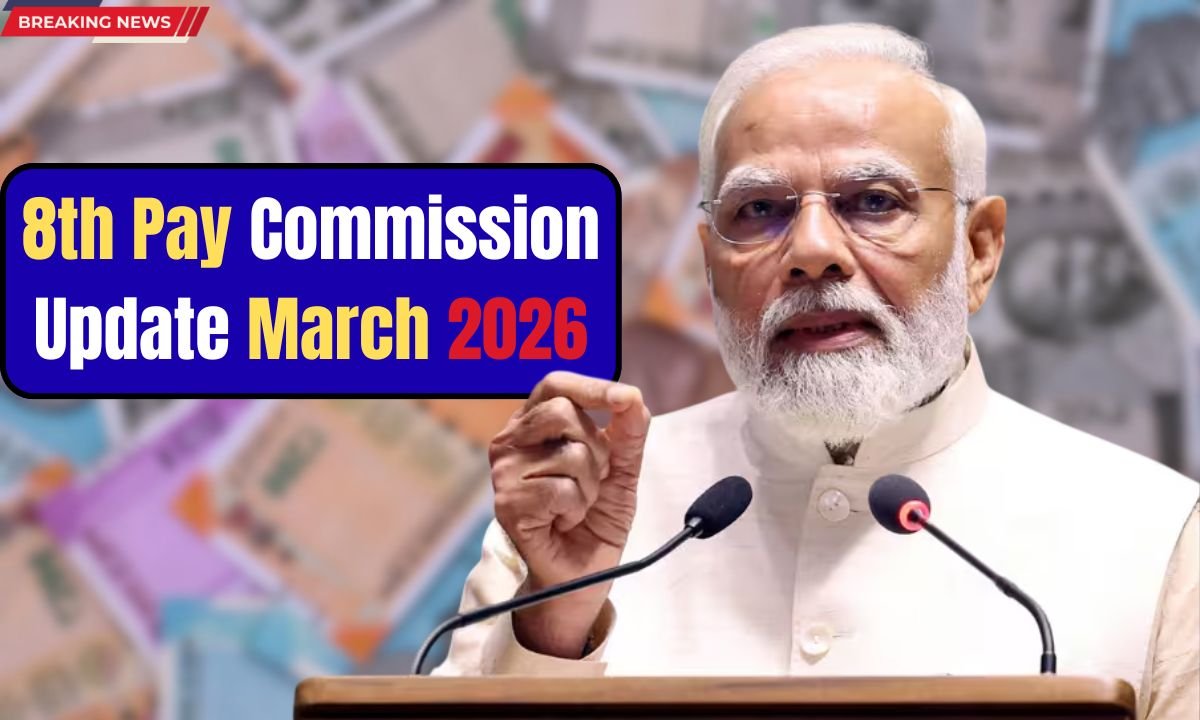
If you’re a central government employee or pensioner, you’ve probably been keeping a close eye on the 8th Pay Commission news. Here’s the thing: with inflation rising and everyday expenses climbing, everyone is hoping for a meaningful boost in salaries and pensions. The latest update from March 2026 brings some interesting developments that could finally address these long-standing concerns.
The Commission Is Formed: Who’s in Charge?
The 8th Central Pay Commission (CPC) was officially set up on November 3, 2025. Leading the commission is Justice Ranjana Prakash Desai, who has been tasked with reviewing the pay scales, allowances, and pensions of millions of central government employees and retirees. Think of it as a thorough check-up of the financial wellbeing of India’s civil servants. The goal is not just to adjust numbers but to make pay structures fair and in line with current economic realities.
Timeline and Public Participation
Here’s a critical point: the commission is expected to submit its recommendations within 18 months, which puts the final report around mid-2027. But it’s not just a top-down process. Employees and pensioners have the chance to voice their concerns. Memorandums can be submitted until April 30, 2026, and questionnaires will remain open until March 31, 2026. This means now is the time to make your opinion count if you want to influence how your salary or pension could change.
The Big Demand: Fitment Factor of 3.0
Unions representing government employees are pushing hard for a fitment factor of 3.0. Why does this matter? Well, if approved, it could result in a substantial increase in basic pay and pensions. For many, this would translate into better financial stability, improved take-home salaries, and a more comfortable retirement. It’s not just about numbers on paper it’s about easing the burden of rising living costs for millions.
What the Government Says
The Finance Ministry has emphasized that while the commission is carefully reviewing pay and allowances, the fiscal impact will only be considered after the recommendations are finalized. In other words, expectations are high, but actual increases will depend on the government’s budget and the broader economic situation. So, while there’s hope, there’s also the reality check of fiscal feasibility.
What Employees Can Look Forward To
If the 8th Pay Commission’s recommendations go through, employees and pensioners may see:
- A rise in basic pay and salaries.
- Restructured allowances that reflect current inflation levels.
- Pension hikes ensuring financial security for retirees.
- Clearer guidelines for pay progression across different categories of employees.
It’s a mixed bag of optimism and caution but the message is clear: the government is taking steps to address long-standing pay and pension concerns.
Final Thoughts
The 8th Pay Commission Update March 2026 is bringing hope for meaningful change. While no official decision has been announced yet, the push for a fitment factor of 3.0 and the ongoing consultations suggest that a significant revision could be on the horizon. The next few months will be critical, as employee expectations meet fiscal realities.