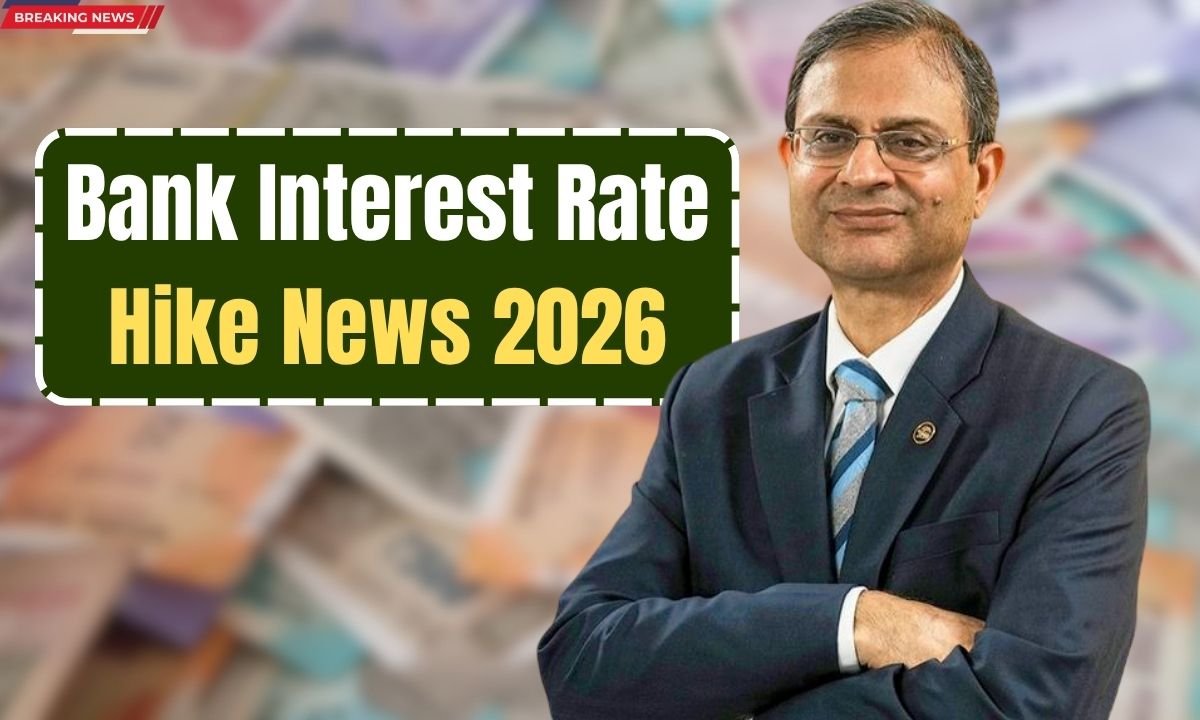
Have you felt your money behaving differently lately? Maybe your loan EMI looks slightly higher, or your bank is suddenly offering better fixed deposit returns. That’s not a coincidence. It’s the direct impact of changing interest rates in India in 2026.
Here’s the thing interest rates quietly shape almost every financial decision we make. From the cost of your home loan to the returns on your savings, they influence it all. And right now, India is going through a phase where rates are moving upward, changing the game for both borrowers and savers.
Why Interest Rates Are Rising in 2026
Think about the economy like a pressure cooker. When inflation rises and global conditions stay uncertain, policymakers step in to control the heat.
In 2026, rising inflation, global economic pressure, and currency fluctuations have pushed authorities to tighten monetary policy. Experts expect inflation to hover around 4.6%, with moderate growth projections. To manage this, the RBI is likely to increase the repo rate further.
Now, why does this matter? Because when the repo rate goes up, everything else follows loan rates, deposit rates, and even investment returns.
What’s Happening with SBI FD Rates?
Let’s bring it closer to home. The State Bank of India has already made a move by increasing interest rates on bulk fixed deposits above ₹3 crore by 25 basis points.
While this mainly benefits large investors for now, it often signals what’s coming next. In many cases, retail FD rates follow gradually. So, if you’re planning to invest in fixed deposits, this could be an early sign of better returns ahead.
What It Means for Borrowers
If you have a loan, this is where things get a bit uncomfortable.
When interest rates rise, borrowing becomes more expensive. Home loans, car loans, and personal loans start costing more. If your loan is linked to a floating rate, your EMI can increase without much warning.
I’ve seen this happen with many people they plan their budget based on current EMIs, and then suddenly, there’s a jump. It’s not huge at once, but over time, it adds up.
That’s why now is a good time to review your loans. Some borrowers even consider switching to fixed rates to avoid future surprises.
Why Savers Are Finally Smiling
Now, here’s the good news.
Higher interest rates are a win for savers. Banks tend to increase FD rates, which means your money earns more without taking extra risk.
Senior citizens benefit the most here. Many banks offer additional interest on deposits, and with rising rates, their returns become even more attractive.
Think about it this way. While borrowers feel the pinch, savers finally get rewarded for playing it safe.
Government Schemes Are Also Changing
It’s not just banks. Government-backed schemes like PPF, NSC, and Sukanya Samriddhi Yojana are also expected to see revised rates.
These schemes usually follow broader interest rate trends. So when rates rise, they become even more appealing for long-term, low-risk investing.
For many families, this creates a balanced approach some money in bank FDs and some in government schemes.
What Should You Do Now?
This is where it gets practical.
If you’re a saver, you might want to consider locking in fixed deposits as rates improve. But don’t rush blindly watch for further hikes too.
If you’re a borrower, it’s smart to prepare for higher EMIs. Review your loan terms and see if switching options makes sense.
And if you’re an investor, balance is key. Don’t rely on just one option. Mix safe investments with other assets based on your goals.
Final Thoughts
Interest rates in India in 2026 are shifting for a reason. It’s part of a bigger effort to control inflation and keep the economy stable.
Yes, borrowers may feel some pressure. But savers finally have something to smile about.
At the end of the day, it’s not about whether rates go up or down. It’s about how you adjust your strategy to make the most of the situation.